
Imagine the night the furnace sputters, then goes silent—your family huddles under blankets while the thermostat reads “cold.” That moment feels like a punch to the gut, especially when the Kansas wind is howling outside.
Replacing an HVAC system isn’t just about swapping out old metal; it’s about locking in comfort, cutting those crazy utility bills, and making sure the next decade runs smooth. In Overland Park, the swing between scorching summer and icy winter makes the right choice a game‑changer.
Most homeowners jump into a replacement with half‑baked info, ending up with a unit that’s either too big, too small, or just plain wrong for their home’s layout. This guide strips away the guesswork, showing you the exact steps to pick, finance, and install a system that fits your house like a glove.
Ready to stop the guesswork and start saving money and headaches? Keep reading, and you’ll walk away with a clear roadmap to the perfect HVAC upgrade for your Overland Park home.
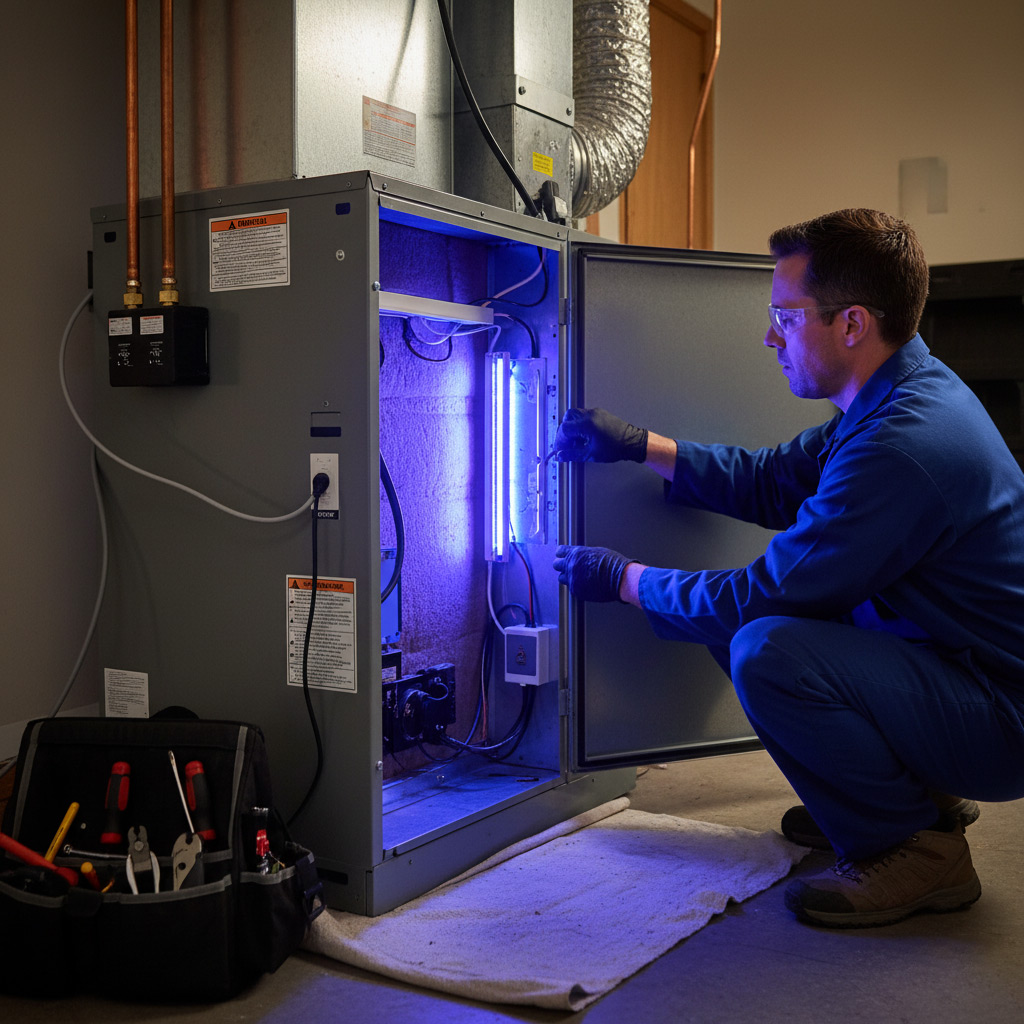
Recognizing the Signs That Indicate It’s Time for an HVAC Replacement in Overland Park
When your furnace starts sounding like a dying cat or the AC can’t keep the house cooler than a refrigerator, it’s a red flag. Those noises aren’t just annoying—they’re the system’s way of saying it’s near the end of its useful life.
Performance clues you can’t ignore
- Inconsistent temperatures from room to room, even when vents are open.
- Sky‑high utility bills that keep climbing despite regular maintenance.
- Frequent cycling on and off, which wears out components faster.
Even if the thermostat still reads the set point, the air may feel stale or humid. That’s a sign the equipment is struggling to meet the climate demands of Overland Park’s hot summers and chilly winters.
Physical wear that screams “replace me”
- Visible rust or corrosion on the outdoor unit.
- Cracked or leaking refrigerant lines.
- Age over 15 years—most manufacturers guarantee performance for about a decade.
When you spot any of these, keep the calendar handy. Delaying replacement can cost you more in repairs, comfort loss, and wasted energy.
Determining the Ideal HVAC System Type for Your Home’s Size, Layout, and Climate
First thing’s first: you need a system that matches the square footage of your house. A 2,000‑sq‑ft home in Overland Park typically needs a 3‑to‑4 ton unit, while a 3,500‑sq‑ft ranch may require 5 tons or more. Oversizing leads to short‑run cycles, higher bills, and uncomfortable humidity.
Match the system to your floor plan
Open‑concept layouts love a central air system with a single, well‑placed thermostat. Split‑level or multi‑story homes often benefit from a zoned ductless mini‑split so each level gets the right amount of cooling without fighting each other.
- One‑stage furnace: good for modest, single‑zone homes.
- Two‑stage furnace: perfect for larger homes with varying heat loads.
- Variable‑speed heat pump: ideal for those who want steady comfort and lower utility costs.
Climate considerations for Overland Park
Our summers can scorch, and winters dip below freezing. A heat pump that handles both heating and cooling efficiently is a smart bet. If you get icy mornings, pair it with a supplemental electric or gas furnace for those extra‑cold snaps.
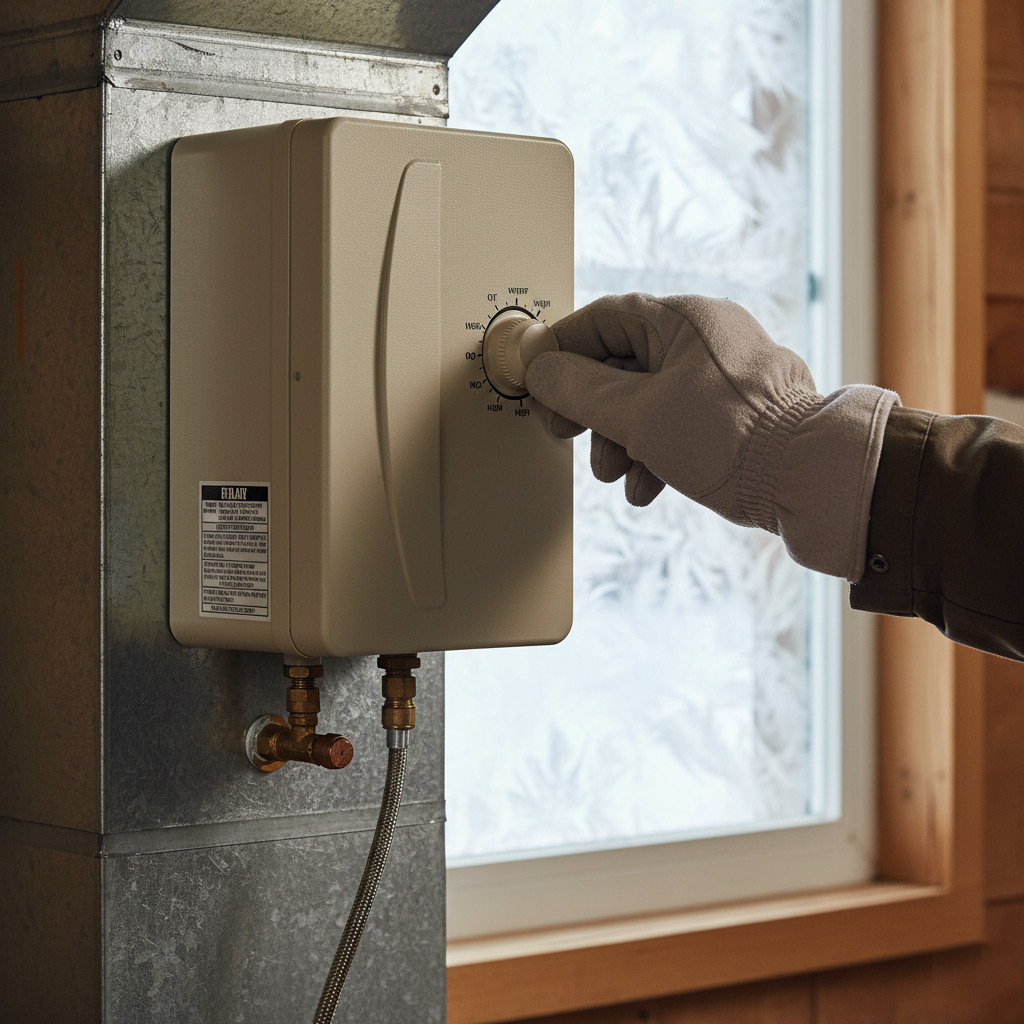
Don’t forget the humidity factor. A humidifier or a dehumidifier built into the system can keep indoor air comfortable year‑round, especially in the humid months.
Comparing Energy Efficiency Ratings, SEER Scores, and Long‑Term Cost Savings
What the SEER Number Really Means
SEER (Seasonal Energy Efficiency Ratio) is the yardstick that tells you how many BTUs of cooling you get for each watt of electricity. A higher SEER means lower utility bills, but the jump from 13 to 16 can feel like a miracle in a Kansas summer.
Typical residential units break down like this:
- 13‑14 SEER – baseline, meets minimum code
- 15‑16 SEER – sweet spot for most homeowners
- 18+ SEER – premium, best for new builds or deep‑retrofits
Balancing Up‑Front Cost with Long‑Term Savings
Don’t let the sticker price scare you; the real story is in the pay‑back period. Calculate the annual energy savings and compare it to the extra dollars you spend now.
Key factors that tip the scales:
- Local electricity rates – Overland Park’s rates are higher than the national average.
- Home size and insulation – a well‑sealed house squeezes more efficiency out of every SEER point.
- Usage patterns – if you run AC 8+ hours a day, the ROI shortens dramatically.
Why the Right Rating Saves You Money
Choosing a unit with a properly matched SEER rating avoids over‑paying for features you’ll never use. A 20‑SEER system in a modest 1,200‑sq‑ft home can actually cost more over 10 years than a 16‑SEER that runs a bit harder.
Bottom line: aim for the highest SEER you can afford without stretching your budget thin, and let the numbers do the talking when the bill arrives.
How to Choose a Reliable Local HVAC Contractor and What to Expect in Quotes
Finding a contractor you can trust isn’t rocket science, but it does take a little homework. Start by checking licenses, insurance, and any local certifications. A reputable firm will proudly display proof on their website or at their office.
What to Look For
- Local reputation – read reviews on Google, Yelp, and the Better Business Bureau.
- Years in business – the longer they’ve survived, the better they’ve handled the local climate.
- Transparent pricing – they should give you a written estimate before any work begins.
- Warranties – solid coverage on both equipment and labor shows confidence.
When the estimate lands in your inbox, don’t just skim it. Break it down line by line so you know exactly what you’re paying for.
Reading the Quote
- Equipment cost – list of brand, model, and SEER rating.
- Labor – hourly rate or flat fee for removal, installation, and testing.
- Permits and disposal – these fees are often hidden, ask for a separate line item.
- Contingency – a small buffer for unexpected issues, usually 5‑10% of the total.
Ask the contractor to explain any jargon. A good pro will walk you through the numbers, point out where you can save, and set realistic expectations for the timeline.
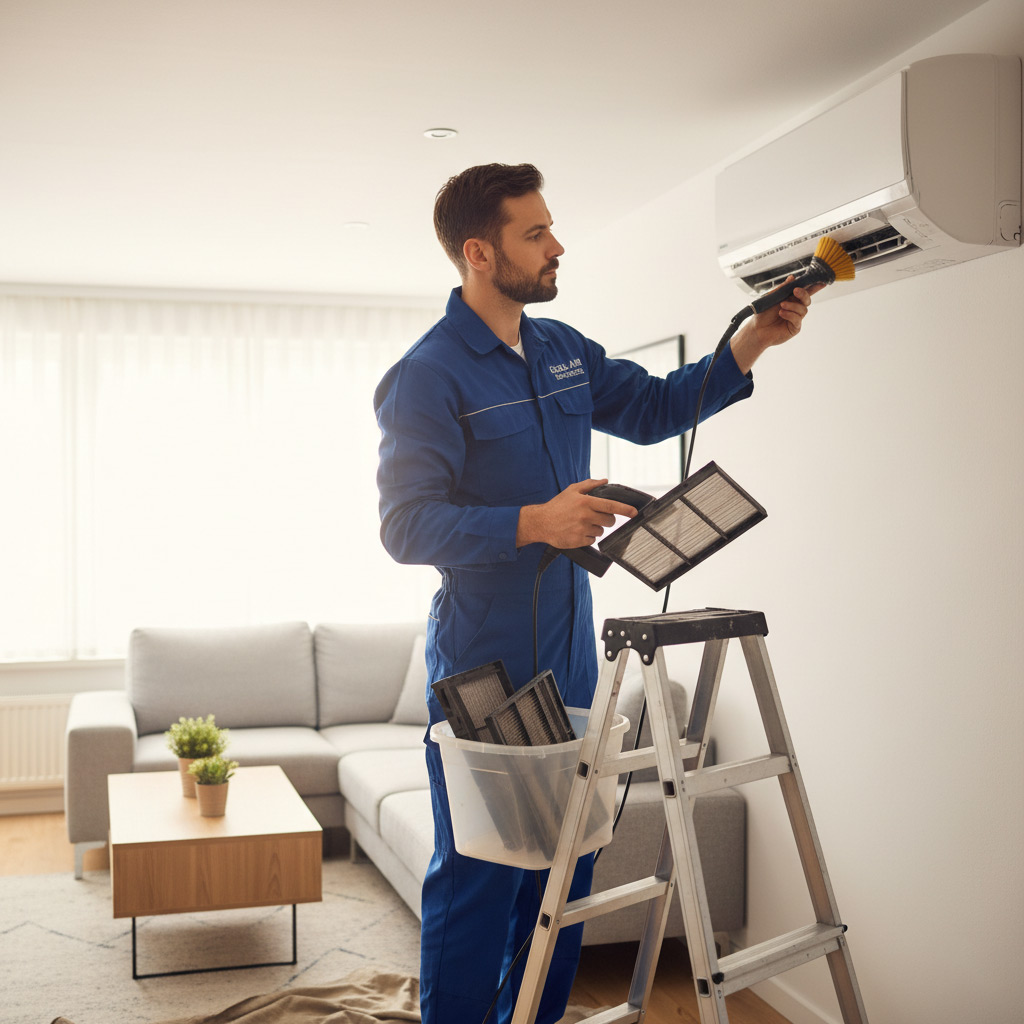
Step‑by‑Step Overview of the Replacement Process: Removal, Installation, and Testing
Removal
First, the tech shuts off power and disconnects the old unit. Safety comes first, so they cap refrigerant lines and seal off any electrical connections.
Next, they pull the old furnace or air‑handler out of the closet or attic. This is the moment you hear the “clunk” that signals the old system is finally gone.
- Cap and recover refrigerant
- Detach ductwork and vent pipes
- Remove mounting brackets and old insulation
Installation
Now the fresh equipment rolls in. The crew lines up the new unit with the existing duct layout, making sure it sits level and snug.
They then hook up the refrigerant lines, connect the electrical panel, and seal any gaps with high‑quality foil tape.
- Mount the condenser on a stable pad
- Install the indoor air‑handler or furnace
- Connect thermostat wiring
Testing
With everything in place, the tech powers up the system and runs a full cycle. They check airflow, temperature drop, and refrigerant pressure to make sure the numbers line up.
Finally, they walk you through the new thermostat, show how to change filters, and hand you a copy of the warranty. Peace of mind is the last thing they leave you with.
Case Study: A Successful HVAC Replacement Project for a Historic Overland Park Residence
Background & Challenges
When the owners of a 1920s Craftsman home called, they were worried about preserving the original woodwork while finally ditching a 20‑year‑old furnace that kept freezing on cold nights. The house’s narrow hallways and low‑ceiling rooms made a standard split‑system a poor fit.
We scoped the job with a dual‑stage heat pump that could slip under the eaves without marring the crown molding. The goal: modern comfort, lower bills, and no damage to the historic character.
Solution & Execution
Our crew started by carefully removing the old unit, wrapping the surrounding plaster in protective sheeting. Then we installed a variable‑speed blower that matched the home’s modest square footage.
- Custom‑fabricated ductwork to navigate tight turns
- High‑SEER 16 unit for peak efficiency
- Smart thermostat programmed for the family’s schedule
All connections were tested with a calibrated pressure gauge. The system ran through a 48‑hour trial, and the temperature held steady even when the wind gusted across the prairie.
Results & Takeaways
The homeowners reported a 30% drop in their monthly energy bill within the first quarter. More importantly, the new system blended seamlessly with the period details—no unsightly vents, no compromised woodwork.
Key lessons for any historic Overland Park project:
- Respect the architecture; don’t force a one‑size‑fits‑all unit.
- Choose a contractor who knows how to tailor ductwork in cramped spaces.
- Prioritize a system with variable speed for both comfort and savings.
Final Thoughts
When you finally pull the trigger on a new system, treat it like a long‑term partnership. A well‑chosen HVAC unit will keep your Overland Park home comfortable for a decade or more, *if* you give it the love it deserves.
What to Keep in Mind
Don’t let the paperwork pile up. Keep these three items handy:
- Warranty details – know what’s covered and for how long.
- Annual service schedule – a quick check‑up saves big bucks later.
- Energy‑rebate codes – they change yearly, so stay in the loop.
Financing can feel like a maze, but many local lenders and manufacturers offer zero‑interest plans that line up with the system’s pay‑back period. Ask your installer to walk you through the numbers; a clear spreadsheet beats vague promises any day.
Ready to dive deeper? Explore more tips and resources in our HVAC Replacement hub. It’s the one‑stop shop for everything from sizing calculators to contractor vetting checklists.
People Also Ask
How do I know if my HVAC system needs to be replaced in Overland Park?
If your unit is over 10‑15 years old, requires frequent repairs, or struggles to maintain comfortable temperatures, it’s likely time for a replacement. Look for rising energy bills and uneven heating or cooling as additional red flags.What HVAC system type is best for a typical Overland Park home?
For most homes in Overland Park, a high‑efficiency split‑system (air conditioner with a furnace) works well, while heat pumps are ideal for newer, well‑insulated houses. The choice depends on your home’s size, layout, and whether you need both heating and cooling.What SEER rating should I aim for when buying a new air conditioner?
A SEER rating of 16 or higher meets current ENERGY STAR standards and offers noticeable energy savings. Higher SEER units (18‑20) provide greater efficiency but come with a higher upfront cost.How can I find a reliable HVAC contractor in Overland Park?
Look for locally licensed contractors with positive online reviews, proper insurance, and membership in professional organizations like ACCA. Request detailed quotes that break down equipment, labor, and any warranties.What should I expect during the HVAC replacement process?
The process includes removing the old unit, installing new ductwork or components if needed, connecting the new system, and performing thorough testing. A reputable contractor will also provide a walkthrough of system controls and maintenance tips.
Overland Park HVAC brings over 15 years of residential and commercial climate‑control expertise to the Overland Park community. Their certified technicians specialize in efficient heating, cooling, and indoor‑air‑quality solutions tailored to local needs. Committed to responsive service, they keep homes and businesses comfortable year‑round.
Need HVAC?
Quick, reliable solutions that get your home or business back on track in Overland Park, KS (66061, 66062, 66063) and neighboring ZIPs. Our team delivers results within hours, minimizing downtime and hassle.
Get HVAC Estimate