
Imagine your furnace whispering a secret that could save you $500 before the first snow hits Overland Park. Most homeowners never hear it because they skip the one thing that separates a nightmare from a smooth‑running system: a professional HVAC inspection.
Seasoned techs have a handful of tricks they don’t shout about—like spotting a tiny refrigerant leak before it turns into a costly repair, or catching a clogged filter that’s silently draining your energy bill. These hidden moves are the difference between a system that hums along all year and one that quits on you when you need it most.
Ready to uncover the insider tactics that keep your home comfortable and your wallet happy? Keep reading and discover the exact steps the pros take during every inspection.
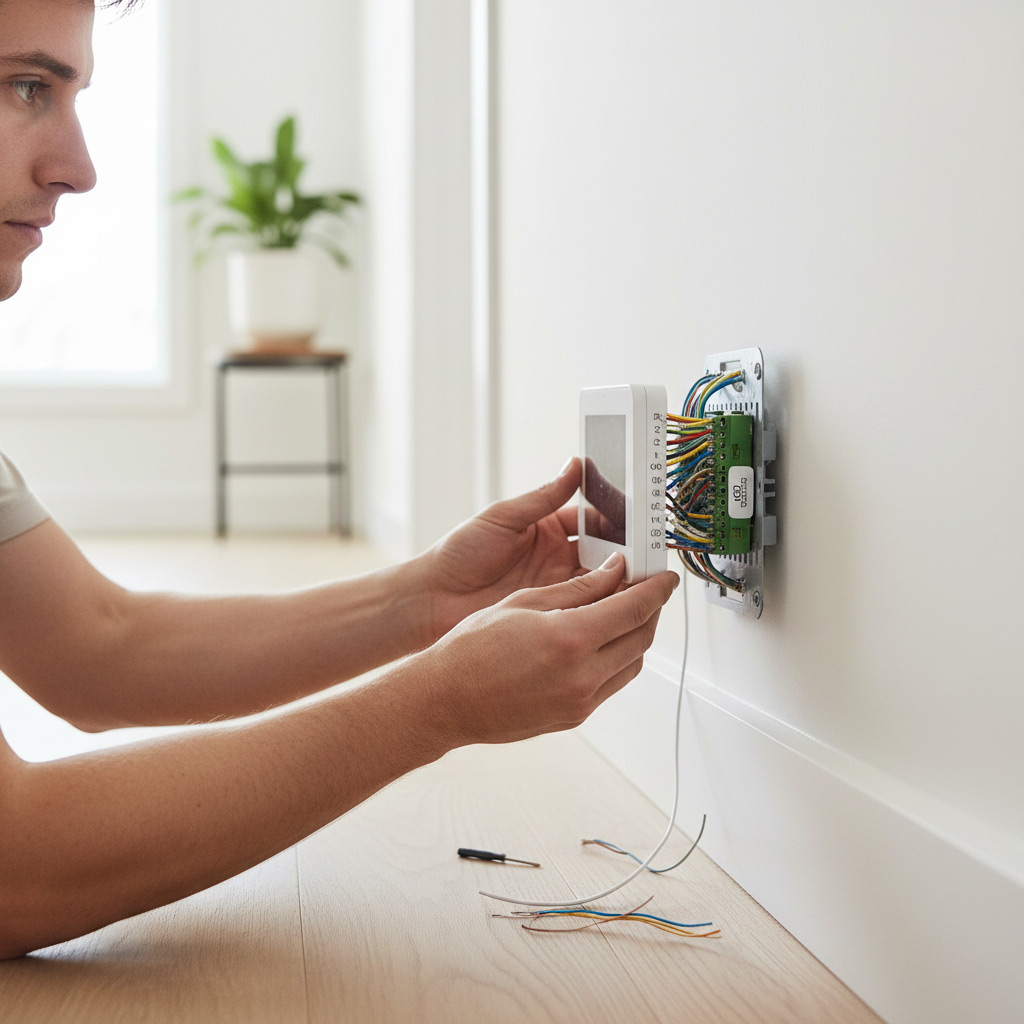
Why Regular HVAC Inspections Are Critical for Overland Park Homeowners
Winter in Overland Park hits hard, and a furnace that’s been ignored can turn a cozy night into a cold emergency. A routine inspection catches wear before it becomes a breakdown, saving you from frantic service calls when the temperature drops below zero. Early detection means lower repair bills and a system that runs smoothly all season.
Beyond comfort, an inspection protects your family’s safety. Faulty wiring, cracked heat exchangers, or carbon monoxide leaks are silent threats that only a trained eye can spot. One missed issue could cost more than a new unit, and insurance companies often require proof of regular maintenance for a claim to go through.
Key Benefits of a Pro Inspection
- Improved energy efficiency – clean coils and calibrated sensors cut utility costs.
- Extended equipment lifespan – catching a worn bearing early adds years to your system.
- Higher home resale value – a documented inspection history reassures buyers.
- Peace of mind – you know the system will hold up during the toughest weather.
The Pro’s Inspection Checklist: Step‑by‑Step What Technicians Look For First
Before the thermostat even gets a whisper, the tech does a quick visual sweep. It’s the “first impression” that tells whether the unit has been loved or neglected. Miss this, and you’re setting yourself up for a surprise later.
Visual Walk‑Around
- Check for obvious signs of corrosion or rust on the outdoor coil.
- Inspect the condensate drain for clogs or standing water.
- Verify that all electrical connections are tight and free of scorch marks.
- Look for loose or cracked insulation around ducts and piping.
These four items take under five minutes, but they catch the majority of preventable failures. A rusted coil, for example, can choke airflow and force the compressor to work overtime.
System Startup & Performance Check
- Turn the system on and listen for abnormal noises—clicks, rattles, or high‑pitched whines.
- Measure supply and return air temperatures; a difference of less than 15°F signals a problem.
- Run a quick pressure test on the refrigerant lines to spot hidden leaks.
- Confirm that the thermostat reads accurately and responds promptly.
When the tech follows this routine, they can pinpoint a failing fan motor or a sensor that’s lying about the temperature. Catching it now saves you from a costly repair when winter hits.

Spotting Tiny Refrigerant Leaks Before They Become Costly Repairs
Why a Pin‑Drop Leak Matters
Even a microscopic leak can throw your system’s pressure off balance, forcing the compressor to work harder. Higher energy bills and premature wear are the usual side effects. Catch it early, and you save both comfort and cash.
How the Pros Sniff Out the Sneaky Leak
Technicians bring a toolbox of low‑tech and high‑tech tricks. They start with a visual sweep, then move to:
- Electronic leak detectors that “hear” the hiss of escaping refrigerant.
- Soap‑solution bubbles that pop where gas seeps out.
- UV dye added to the system; a black‑light reveals the trail.
Each method is quick, non‑intrusive, and accurate enough to pinpoint a hole the size of a pin.
What Happens After the Leak Is Found
Once the culprit is located, the tech follows a three‑step plan:
- Repair or replace the faulty component—usually a coil or a line.
- Evacuate the system to remove any contaminated refrigerant.
- Recharge with the exact charge specified by the manufacturer.
Doing this before the leak spreads prevents a cascade of failures and keeps your warranty intact.
Uncovering Energy‑Wasting Culprits: Clogged Filters, Dirty Ducts, and Faulty Sensors
Clogged Filters: The Silent Money‑Sucker
When a filter gets choked, the blower works twice as hard, and your utility bill spikes before you even notice. Replace or clean the filter every 30‑90 days—the exact interval depends on pet hair, construction dust, and how often you run the system.
Typical warning signs include:
- Reduced airflow at vents
- Unusual whistling noises
- Short cycling of the furnace
Dirty Ductwork: Airflow’s Worst Enemy
Dust, mold, and debris build up inside the ducts, turning them into a resistance tunnel. The result? Your thermostat thinks the house is colder than it is, so it cranks the furnace up higher.
Key red flags to watch for:
- Visible dust on vent covers
- Uneven temperature rooms
- Allergic reactions that flare up when the system runs
Faulty Sensors: When the Brain Lies
Thermostats and pressure sensors feed the control board the data it needs to run efficiently. A misreading can cause the unit to run nonstop or shut down prematurely.
Spot the problem early by checking for:
- Inconsistent temperature readings
- Frequent error codes on the display
- Unexpected shutdowns after a short run

Leveraging Advanced Diagnostic Tools to Predict Future Failures
Thermal Imaging: Seeing What the Eye Misses
When a tech pulls out a thermal camera, they’re not just looking for hot spots—they’re mapping the whole system’s health in seconds. Cold spots can signal a blocked coil, while a sudden spike hints at a failing motor.
- Infrared cameras reveal hidden leaks in ducts.
- Spot temperature differences before they turn into costly breakdowns.
- Quick visual proof you can show the homeowner.
Smart Sensors & Data Trends
Modern units talk to each other. A Bluetooth‑enabled sensor logs pressure, voltage, and airflow, then sends the data to a cloud dashboard. Patterns emerge that a human eye would miss.
- Predictive algorithms flag a compressor that’s losing efficiency.
- Real‑time alerts let you schedule service before a freeze.
- Historical logs prove the system’s performance over seasons.
Why It Matters for Your Wallet
Think of these tools as a crystal ball for your furnace. Catching a failing capacitor early can save you $300‑$500 in parts and labor. Preventive fixes keep the system humming, so you never face a surprise bill when the snow hits.
- Reduced energy waste lowers monthly utility costs.
- Extended equipment life means fewer replacements.
- Peace of mind knowing the system is monitored 24/7.
Case Study: How a Timely Inspection Saved a Local Family $800 on Repairs
Background
When the Martins noticed a slight chill in their living room during a mild October night, they assumed it was just the season turning. Their 12‑year‑old furnace was still under warranty, but they hadn’t scheduled an inspection since the last spring.
They called a local Overland Park HVAC service for a quick check‑up, hoping to avoid a surprise breakdown when winter hit.
The Inspection Findings
The technician ran through the standard checklist, then dug deeper with a handheld leak detector. He discovered:
- A microscopic refrigerant leak in the coil that would have caused the system to lose efficiency within weeks.
- A over‑tightened blower belt that was straining the motor and could have led to a costly motor replacement.
- Dust‑clogged return vents that were forcing the furnace to work harder.
Action & Savings
Instead of waiting for a full‑blown failure, the tech repaired the leak, adjusted the belt, and cleaned the vents—all in one visit. The parts and labor totaled $250, but the family avoided a $1,050 emergency repair that would have been needed after the first freeze.
In the end, the Martins walked away with a $800 saving and a furnace that ran smoother than ever, proving that a proactive inspection pays off in real dollars, not just peace of mind.
Final Words
When you treat an HVAC inspection like a routine health check, you’re buying peace of mind before the first frost hits Overland Park. Schedule your next visit now and let the pros catch the sneaky issues that hide behind a steady hum.
Quick‑fire checklist before you call
- Listen for odd rattles or whines.
- Check the thermostat display for error codes.
- Feel the vents – any cold spots?
- Make sure the outdoor unit is clear of debris.
Got a question or need a fast appointment? Hit the button on our HVAC Testing And Inspection page and we’ll lock in a slot that works for you. Your comfort shouldn’t wait for a surprise breakdown.
People Also Ask
How often should I schedule an HVAC inspection in Overland Park?
A professional inspection is recommended at least once a year, ideally before the heating or cooling season begins. This timing helps catch issues early and ensures optimal performance when you need it most.What are the most common problems found during an HVAC inspection?
Technicians frequently discover clogged air filters, dirty ductwork, refrigerant leaks, and malfunctioning sensors. These issues can reduce efficiency, increase energy bills, and lead to costly repairs if ignored.Can an HVAC inspection improve my home’s energy efficiency?
Yes, a thorough inspection identifies energy‑wasting components such as dirty filters and blocked vents, allowing you to address them promptly. Fixing these problems can lower utility costs by up to 15 % in many cases.Do HVAC technicians use special tools to detect hidden issues?
Modern HVAC pros employ advanced diagnostic equipment like digital leak detectors, infrared cameras, and pressure gauges. These tools reveal problems that are invisible to the naked eye, such as tiny refrigerant leaks or failing capacitors.What should I expect during a professional HVAC inspection?
The technician will start with a visual walk‑around, then check refrigerant levels, test electrical connections, examine the thermostat, and assess airflow. They’ll provide a detailed report and recommend any necessary repairs or maintenance.
Overland Park HVAC brings over 15 years of residential and commercial climate‑control expertise to the Overland Park community. Their certified technicians specialize in efficient heating, cooling, and indoor‑air‑quality solutions tailored to local needs. Committed to responsive service, they prioritize comfort and energy efficiency for every client.
Need HVAC?
Quick, reliable solutions that get your home or business back on track in Overland Park, KS (66061, 66062, 66063) and neighboring ZIPs. Our team delivers results within hours, minimizing downtime and hassle.
Get HVAC Estimate