
Your furnace just sneezed a puff of smoke and the thermostat refuses to budge below 78—your comfort is on the line, and the clock is ticking.
In Overland Park’s swing‑season, a tired unit can jack up your electric bill, freeze up on the hottest day, or leave you shivering when the wind cuts in. Knowing the sweet spot between a costly repair and a brand‑new system can save you thousands.
Ready to spot the warning signs and decide if it’s time to replace your HVAC? Keep reading and we’ll walk you through the exact moments you should pull the trigger.
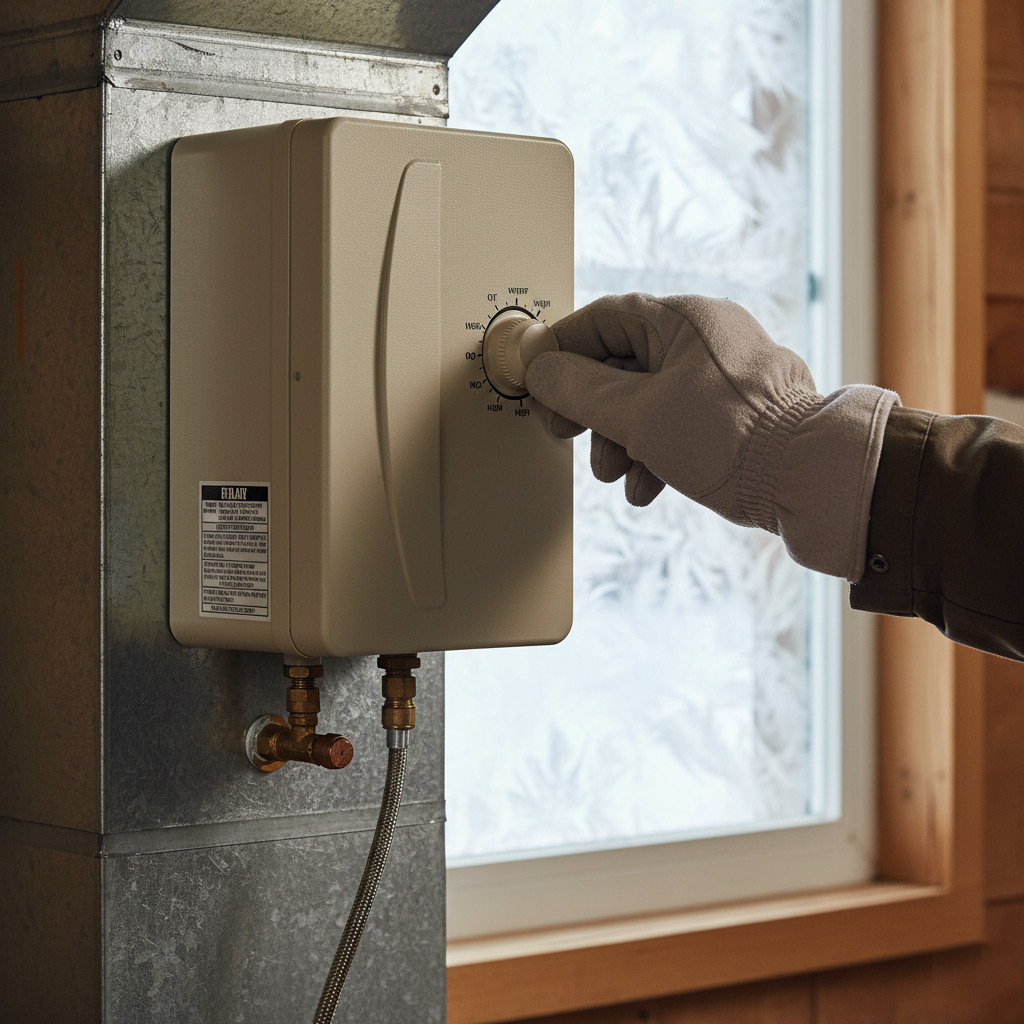
Understanding the Typical Lifespan of HVAC Systems in Overland Park
In Overland Park, a well‑maintained furnace or air‑conditioner will usually see you through a decade or more, but the exact clock depends on how hard it’s been asked to perform. Heat‑pump units tend to clock out around 12‑15 years, while a traditional gas furnace often bows out after 15‑20 years of steady service. Age alone isn’t the villain—it’s the wear and tear from the region’s swing‑season that does the heavy lifting.
Typical Service Life by Component
- Air‑conditioner compressor: 10‑12 years
- Evaporator coil: 12‑15 years
- Gas furnace heat exchanger: 15‑20 years
- Thermostat (digital): 8‑10 years
- Air‑handler blower motor: 12‑18 years
When any of these parts start flirting with the upper end of their range, you’ll notice a dip in comfort and a rise in utility bills. The local climate throws sudden temperature swings, so a unit that’s already past its prime will struggle to keep up, leaving you with uneven heating or cooling. Keep an eye on performance; the moment you sense a lag, it’s a signal that the system’s clock is winding down.
Red Flags: Warning Signs That Indicate Replacement Is Needed
Strange Sounds and Smells
When your furnace starts rattling like a junkyard truck, it’s not just annoying—it’s a signal that internal parts are wearing out.
Listen for high‑pitched squeals or grinding metal. Those noises rarely disappear on their own.
And if you catch a whiff of burning dust or a faint odor of gas, shut it down and call a pro. That smell is a red flag you can’t ignore.
Sky‑High Energy Bills
Notice your electric bill creeping up even though you haven’t changed your thermostat settings? That’s a classic symptom of an inefficient unit.
Older systems lose heat faster, forcing the blower to work overtime. Every extra kilowatt‑hour costs you money.
- Bill spikes of 15% or more year over year
- Frequent short‑cycling (turning on and off quickly)
- Thermostat struggling to reach set temperature
Age, Rust, and Airflow Issues
Most HVAC units in Overland Park hit their sweet spot at 12‑15 years. Past that, parts start corroding, especially in our humid summers.
Check the outdoor condenser for rust or bent fins. If the airflow feels weak, the coil is probably clogged or the fan motor is on its last legs.
When you’re constantly calling for repairs, the math usually points to a full replacement. It’s cheaper in the long run to upgrade now.
Repair vs. Replacement: How to Run the Numbers for Your Home
Before you reach for the toolbox, grab a calculator. A quick cost‑sheet can tell you whether you’re throwing good money after bad or setting yourself up for a smarter spend.
Break‑Even Point
Line up the numbers side by side. Add up the repair estimate, parts, and labor. Then stack the price of a new, energy‑smart unit plus installation.
- Repair cost × 5 years ≈ total outlay if the fix lasts.
- New system cost ÷ expected lifespan (15‑20 years) ≈ annual expense.
- Factor in energy savings – a modern unit can shave 15‑30 % off your bill.
If the annual cost of a new system is lower than the repair‑plus‑energy‑waste combo, it’s time to replace.
When Repair Makes Sense
Not every hiccup means a full swap. Look for these tell‑tale signs that a fix will pay off.
- The unit is under 10 years old.
- Repair quote is under 30 % of replacement price.
- Issue is isolated – like a busted capacitor or a clogged filter.
When those boxes are checked, a repair can keep you comfortable without breaking the bank.
Selecting the Ideal New HVAC System for Overland Park’s Climate
Know Your Weather
Overland Park swings from humid summers to crisp, windy winters, so you need a unit that handles both heat and chill without breaking a sweat. Look for a system with a high SEER rating for summer efficiency and a robust HSPF rating for winter comfort.
Key climate factors to keep in mind:
- Summer highs regularly hit the upper 90s °F – you’ll want strong cooling capacity.
- Winter lows dip into the 20s °F – a reliable heat source is non‑negotiable.
- Occasional thunderstorms bring high humidity – consider a model with built‑in dehumidification.
Match the System to Your Home
Not every HVAC is created equal. A traditional furnace‑and‑air‑conditioner combo works fine for many, but a heat pump can slash bills when the temperature hovers in the mid‑40s to mid‑80s. If you have a larger footprint or an older home, a multi‑stage or variable‑speed unit smooths out temperature swings.
Popular choices for Overland Park homeowners:
- Split‑system AC + gas furnace – classic, proven reliability.
- Air‑source heat pump – excellent for moderate winters.
- Hybrid system – automatically switches between electric and gas for peak efficiency.
Size It Right
Oversized units waste energy; undersized ones run nonstop. The secret is a professional Manual J load calculation that accounts for square footage, insulation, window orientation, and even the shade from those big oak trees.
When the numbers are in, ask for:
- Two‑stage compressors – they kick in just enough power to keep the house steady.
- Variable‑speed fans – they whisper when the load is light, roar only when needed.
- Smart thermostats – they learn your schedule and adjust output on the fly.

Financing, Rebates, and Energy‑Efficiency Incentives Available Locally
Smart Financing Options
Most Overland Park homeowners qualify for zero‑interest loans through local credit unions, letting you spread the cost over 60 months without extra fees.
Another popular route is a pay‑as‑you‑save plan: the utility company fronts the equipment, and you repay the balance with the monthly energy savings.
- 12‑month promotional APR from major banks
- Home equity lines of credit with flexible draw periods
- Seasonal “Winter Warm‑Up” specials that bundle installation with a discount
Local Rebates & Tax Credits
The Kansas Energy Office offers a up‑to‑$1,200 rebate for qualifying high‑efficiency furnaces and air conditioners installed after July 1.
Don’t forget the federal Residential Energy Efficiency Tax Credit—it can shave 10 % off your equipment cost, capped at $600 for most units.
- Jasper County utility rebate: $300 for SEER ≥ 16 units
- City of Overland Park “Green Home” incentive: $250 for smart thermostats
- Seasonal “Spring Savings” grant for HVAC upgrades before May 31
Stacking Savings
Combine a low‑rate loan with the state rebate, then apply the federal tax credit—your out‑of‑pocket could drop below half the sticker price.
Ask your installer to handle the paperwork; most reputable contractors in Overland Park will file the rebates for you, saving you time and headaches.
- Check eligibility before you buy—some models qualify for multiple programs.
- Schedule installation during off‑peak months to lock in extra discounts.
- Keep all receipts; the IRS may request proof of the tax credit.
Case Study: A Seamless HVAC Replacement for a Historic Overland Park Residence
Background
When the Johnson family inherited a 1920s Craftsman home, the original furnace was a relic that rattled louder than a marching band. Winter nights felt like an icebox, and the summer heat turned the living room into a sauna. They called us because they needed a solution that respected the home’s character while delivering modern comfort.
The Assessment & Plan
Our tech walked the attic, measured ductwork, and ran a quick energy audit. The findings were clear: the old unit was 25 years past its prime, and the ducts were undersized for today’s high‑efficiency gear. We proposed a two‑step approach:
- Replace the furnace with a high‑efficiency, variable‑speed model that fits the limited ceiling space.
- Upgrade the duct system using flexible, insulated liners to preserve the historic trim.
We also highlighted local rebates that shaved $1,200 off the total cost. The Johnsons liked the numbers and gave the green light.
Execution & Results
Installation wrapped up in just three days, thanks to a pre‑ordered, pre‑tested unit and a crew that knew how to work around delicate plaster. No walls were torn down, and the original crown molding stayed intact. After the first season, the family reported a 30% drop in energy bills and a thermostat that finally obeyed.
Final Words
When the thermostat starts acting like a stubborn teenager, it’s a signal to stop guessing and start planning. Don’t wait for a total breakdown—schedule a professional assessment now and get a clear picture of what your system really needs.
Take Action Today
- Call a certified Overland Park HVAC contractor for a free performance audit.
- Ask about local rebates and financing options that can shave hundreds off a new unit.
- Compare the audit’s repair estimate with the cost of a modern, energy‑smart replacement.
Remember, a well‑timed upgrade not only protects your comfort but also adds resale value. For more guidance on when to replace, explore our HVAC Replacement resources and keep your home running smooth all year long.
People Also Ask
How long does an HVAC system typically last in Overland Park?
A well‑maintained HVAC system in Overland Park usually lasts 12‑15 years. Factors like climate, usage, and regular service can extend or shorten this lifespan.What are the top warning signs that my HVAC needs replacement?
Frequent breakdowns, rising energy bills, uneven heating or cooling, and outdated technology are key indicators. If you notice rust, strange noises, or the unit is over 12 years old, replacement should be considered.Should I repair my HVAC or replace it?
If repair costs exceed 50% of the system’s current value or the unit is nearing the end of its lifespan, replacement is more cost‑effective. Running the numbers on energy savings with a newer, high‑efficiency model can also guide the decision.Are there local rebates or financing options for HVAC upgrades in Overland Park?
Yes, many Kansas utility companies and the state offer rebates for ENERGY STAR‑rated units, plus low‑interest financing through local banks and credit unions. Your HVAC contractor can help you apply for these incentives.What type of HVAC system works best for Overland Park’s climate?
A high‑efficiency central air conditioner paired with a variable‑speed furnace provides optimal comfort for the region’s hot summers and cold winters. Consider a system with a good SEER rating and a programmable thermostat for maximum efficiency.
Overland Park HVAC brings over 15 years of residential and commercial climate‑control expertise to the Overland Park community. Their certified technicians specialize in efficient heating, cooling, and indoor‑air‑quality solutions tailored to local needs. Committed to responsive service, they keep homes and businesses comfortable year‑round.
Need HVAC?
Quick, reliable solutions that get your home or business back on track in Overland Park, KS (66061, 66062, 66063) and neighboring ZIPs. Our team delivers results within hours, minimizing downtime and hassle.
Get HVAC Estimate