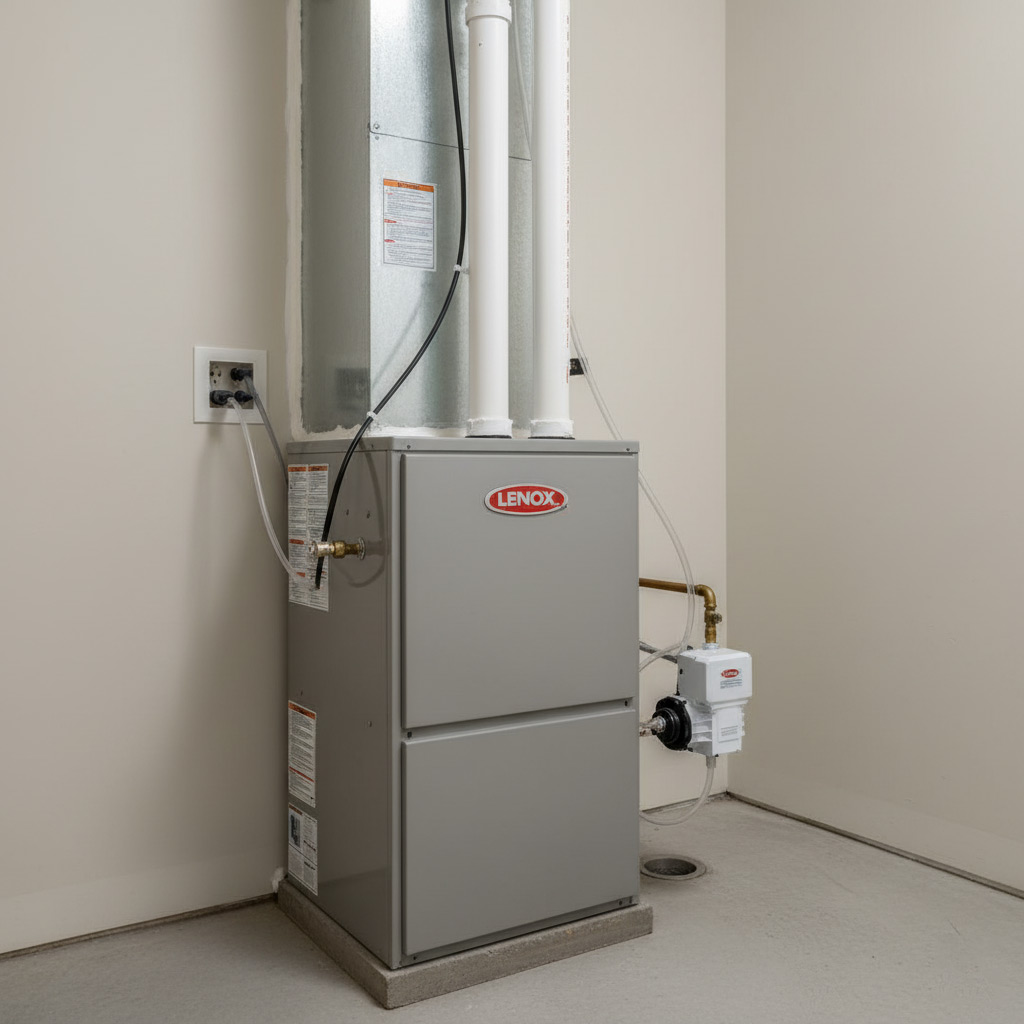
Imagine stepping into your Overland Park home and feeling the perfect breeze greet you the instant you close the front door. That instant comfort isn’t magic—it’s the result of a well‑thought‑out HVAC plan built for the climate you live in.
Smart homeowners know that a system isn’t just a furnace and a set of ducts; it’s a network that should adapt to your schedule, your budget, and the Kansas weather swings. Getting the design right the first time saves you from costly retrofits and endless service calls.
In the next few minutes we’ll walk through the exact steps you need to map out a system that works for you, from sizing the unit to placing the vents for maximum comfort. Ready to see how the pros do it? Keep reading and you’ll have a clear roadmap in hand.
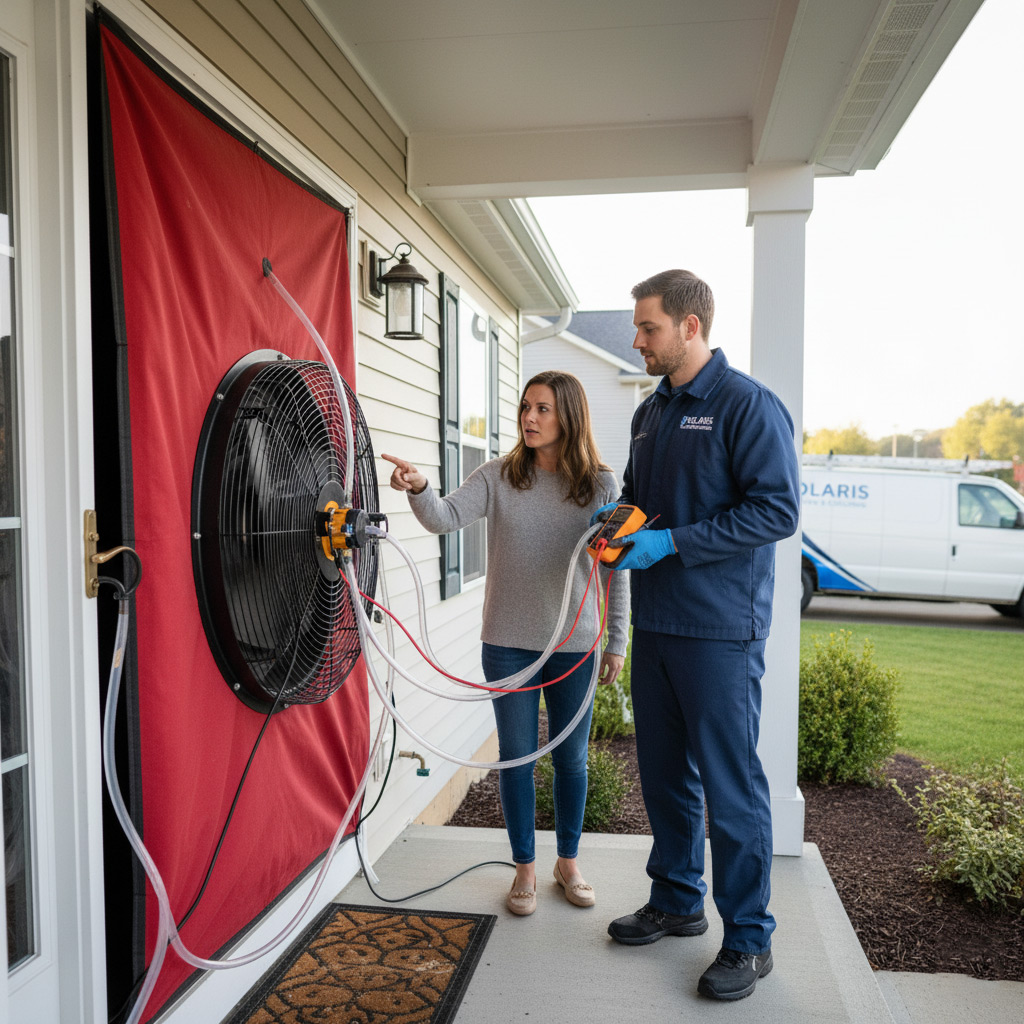
Understanding Overland Park Climate & Load Calculations
Overland Park sits in a sweet spot where summer heat can climb into the high 90s, while winter lows dip below 20°F. Those swings mean your HVAC system must handle both scorching sun and biting wind without breaking a sweat. Getting the climate right is the first step toward a system that never leaves you shivering or sweating.
Key Variables in Load Calculations
Before you pick a furnace or a heat pump, you need to know how much heating and cooling your house actually demands. The numbers aren’t magic—they come from real‑world factors you can measure.
- Square footage: Bigger rooms need more power.
- Orientation: South‑facing windows soak up sun, north‑facing walls stay cooler.
- Window type and glazing: Double‑pane glass cuts loss dramatically.
- Insulation levels: R‑value matters more than you think.
- Occupancy and appliances: People and gadgets generate heat, too.
Professional Manual J calculations crunch these inputs into a precise BTU load for each zone. A good load estimate prevents the common mistake of oversizing—saving you money on the unit itself and on energy bills for years to come.
Selecting the Ideal HVAC System Type for Your Home
First, decide whether you want a single‑stage beast or a multi‑stage performer. A single‑stage furnace blasts heat at full power, simple and cheap. A multi‑stage unit modulates, keeping the house at a steady 72° without the “on‑off” jitter.
Heat Pump vs. Traditional Furnace
Heat pumps pull warmth from the air, even when it’s 20°F outside. They double as air‑conditioners, so you get two jobs in one box. A gas furnace burns fuel, delivering strong heat on the coldest nights but needs a separate AC.
- Heat pump: lower utility bills, less maintenance, ideal for moderate winters.
- Gas furnace: rock‑solid heat, best for severe cold snaps.
- Hybrid system: heat pump for most days, furnace kicks in when temps dip.
Mini‑Split and Ductless Options
If you’re adding a room or have an older home with cramped ducts, a ductless mini‑split is a game‑changer. Each indoor unit talks directly to the outdoor compressor, so you can set different temperatures per zone.
Pros include:
- Easy installation – no big duct runs.
- Quiet operation – whisper‑soft fans.
- Precise control – set 68°F in the bedroom, 74°F in the den.
Remember, the right system matches your climate, budget, and how you live. Pick the one that fits your schedule, not the other way around.
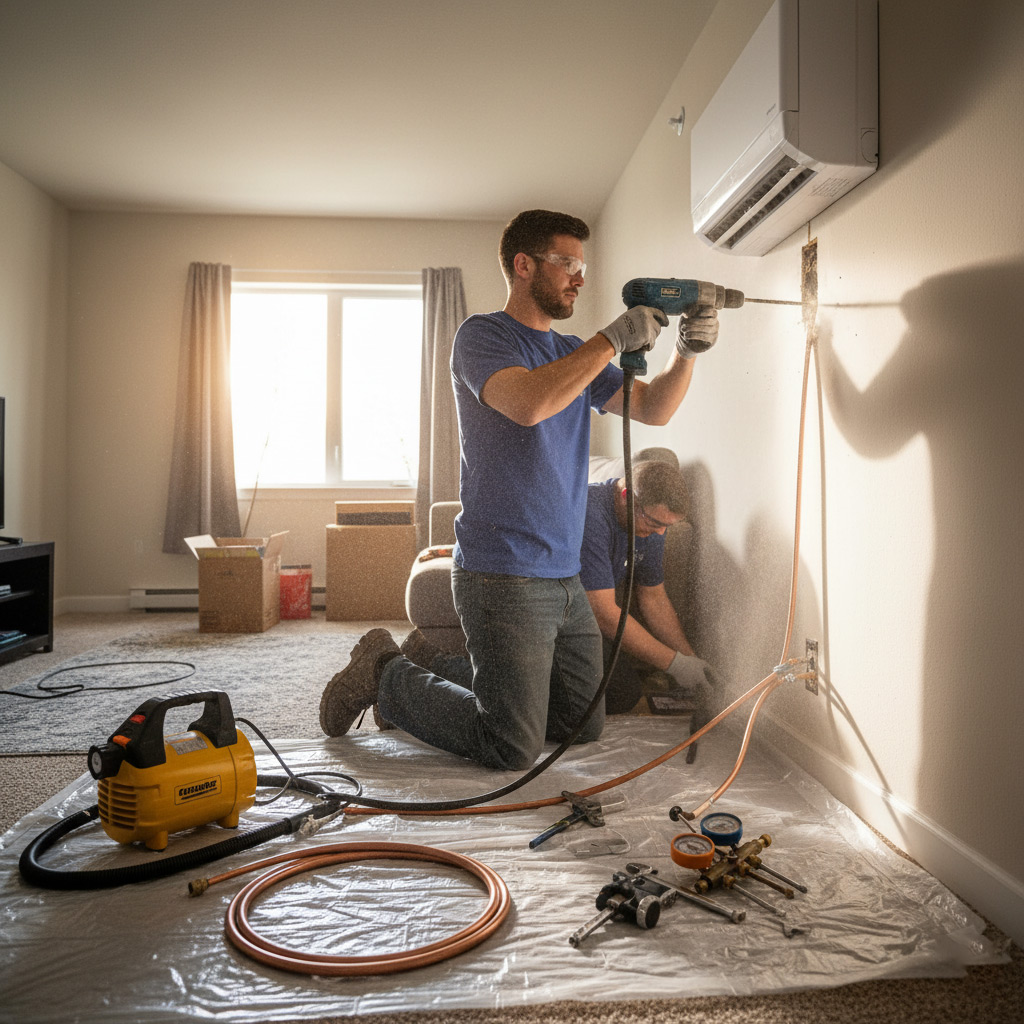
Proper Sizing: Manual J & D Calculations Explained
Getting the right size on your HVAC unit is the difference between a home that breathes easy and one that constantly calls for service. Oversized equipment wastes energy, while an undersized system never reaches the set temperature. The secret? Let the numbers do the talking.
Manual J – The Heat Load Detective
Manual J is the industry’s gold‑standard worksheet for figuring out how much heating or cooling your house actually needs. It looks at every heat source and loss point, then spits out a precise BTU figure.
- Square footage – total conditioned area.
- Window orientation – south‑facing glass adds heat, north‑facing steals it.
- Insulation levels – R‑value matters more than you think.
- Occupancy & appliances – people and kitchens are hidden heaters.
Run the numbers and you’ll know exactly what size furnace or air‑conditioner will keep your thermostat happy without overworking the blower.
Manual D – Ductwork That Actually Moves Air
Once you have the BTU load, Manual D tells you how big the ducts need to be to deliver that air efficiently. Too small and you get noisy, short‑cycling units; too big and you waste static pressure.
- Calculate total airflow (CFM) from the Manual J result.
- Divide CFM by the number of rooms to size each branch.
- Match duct diameter to keep velocity under 900 ft/min for comfort.
- Include pressure loss for elbows, filters, and registers.
Follow these steps and your system will run smooth, quiet, and on budget – just the way a smart homeowner in Overland Park likes it.
Designing Efficient Ductwork and Vent Placement
Good ductwork is the silent hero of any HVAC system. It carries conditioned air where you need it, and it does so without wasting energy. In Overland Park, where summer heat and winter chill swing hard, a well‑planned network can shave dollars off your utility bill.
Key Principles
- Keep runs short and straight. Every bend adds resistance and forces the blower to work harder.
- Size the ducts for the actual airflow. Oversized pipes look nice, but they slow the air and create cold spots.
- Seal every joint with mastic or UL‑rated tape. Leaks are the silent money‑leakers.
- Balance supply and return. Equal pressure keeps doors from slamming shut when the system kicks on.
Common Pitfalls
- Using flexible “snake” duct in permanent runs. It sags, it rattles, and it loses pressure fast.
- Placing vents too close together. The air collides, creating drafts instead of comfort.
- Ignoring the attic’s temperature. Hot attic air can pre‑heat ducts, making the system work overtime.
- Skipping a professional duct pressure test. You’ll never know where the leaks are until they bite you later.
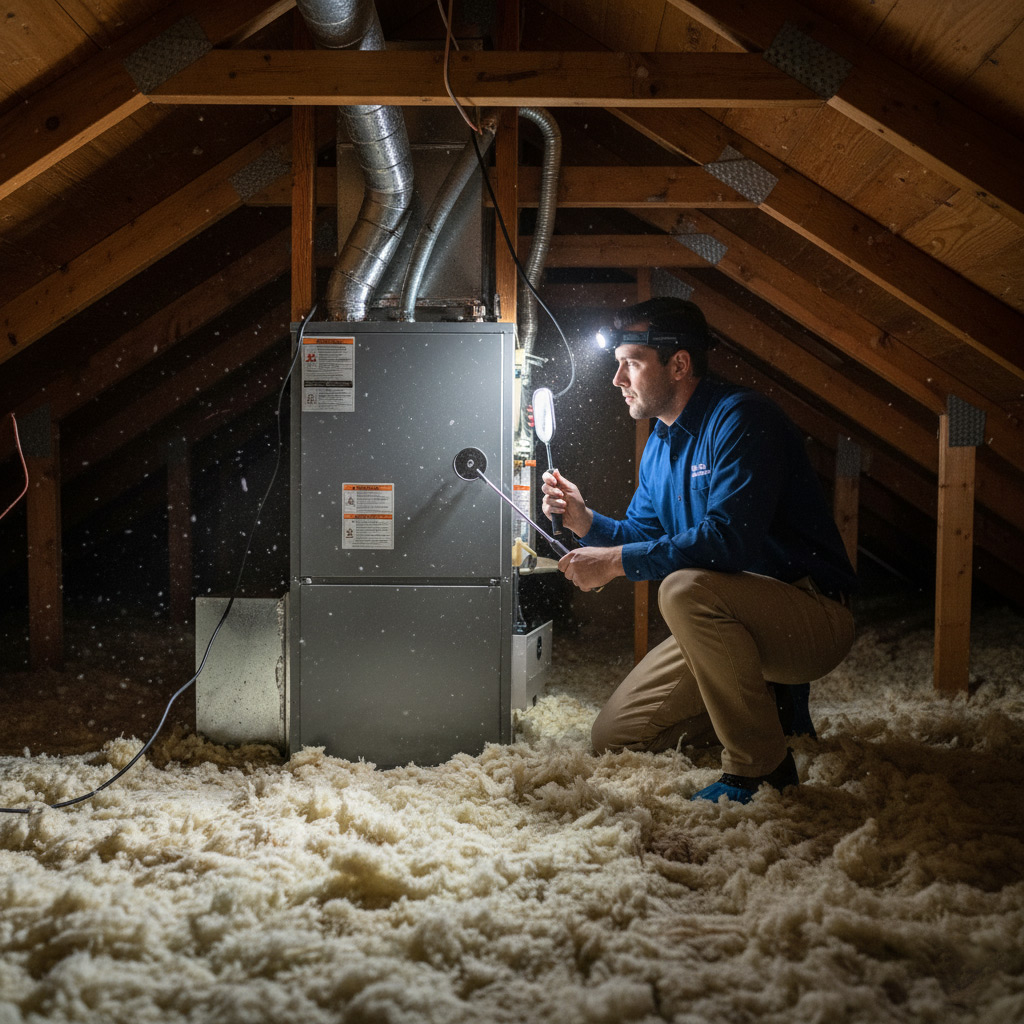
Integrating Smart Controls and Zoning for Energy Savings
Why Smart Controls Matter
Modern thermostats talk to your phone, your voice assistant, and even the weather service. They learn your schedule and adjust temperature before you step through the door. The result? Less wasted heating in an empty house and lower bills.
When you pair a smart thermostat with a reliable Wi‑Fi hub, you gain real‑time data. See exactly how many kilowatts each hour costs and tweak settings on the fly. No guesswork, just numbers you can act on.
Zoning: Split the House, Cut the Cost
Think of your home as a collection of micro‑climates. Bedrooms, the family room, and the garage each have different heating needs. By installing motorized dampers and separate thermostats, you can tell each zone when to run and when to stay idle.
Benefits of zoning include:
- Targeted comfort – only heat or cool the rooms you use.
- Reduced wear on the furnace – it runs shorter cycles.
- Potential 30‑40% savings on annual energy costs.
Putting It All Together
Start with a single smart thermostat, then expand to a multi‑zone controller. Connect each zone’s thermostat to the same Wi‑Fi network, and let the system balance load automatically. Set a “sleep” schedule for upstairs rooms while the downstairs stays at a comfortable 72°F.
Before you buy, ask your Overland Park HVAC pro for a system audit. They’ll map out duct runs, recommend compatible smart devices, and program the zones for optimal performance. A well‑tuned setup pays for itself in a few seasons.
Case Study: A Successful HVAC Redesign in a Mid‑Size Overland Park Home
The Challenge
When the Martins moved into their 2,200‑sq‑ft ranch, the old furnace sputtered in January and the AC barely cooled the living room in July. They were paying for a system that never quite hit the mark. A neighbor recommended a local pro, and the audit began.
The Solution
Our team started with a fresh Manual J load calculation, revealing a 25% undersized furnace and a 30% oversized air‑handler. We then:
- Swapped the 80,000‑BTU furnace for a 95,000‑BTU unit that matched the calculated load.
- Redesigned the duct network, trimming 12 feet of run and adding insulated returns to eliminate hot spots.
- Installed a smart thermostat with zone‑control modules for the upstairs bedroom and the finished basement.
Each step was documented, and the homeowner got a clear visual of the new airflow map. No guesswork, just data‑driven decisions.
The Payoff
After the first season, the Martins saw a 18% drop in their energy bill and reported even temperatures throughout the house. Comfort levels hit a new high. The system ran smoother, and the warranty claims vanished.
- Energy savings: $420 saved in 12 months.
- Temperature variance: ±1 °F across all rooms.
- Service calls: 0 since installation.
Final Words
Now that you’ve got the roadmap, the real work begins: turning plans into comfort. Grab a copy of your Manual J report, line up a licensed installer, and lock in a date before the first frost hits.
Quick Wins to lock in comfort today
- Seal any obvious leaks around doors and windows – a quick caulk job can shave 5‑10% off your load.
- Swap out old thermostat for a smart, Wi‑Fi enabled model; you’ll see savings on the first bill.
- Label each duct run with its intended room; future service calls become a breeze.
Remember, a well‑designed system pays for itself in fewer repairs and lower energy bills. If you need a second opinion or want to see how a zoning upgrade would look in your floor plan, check out our HVAC System Design services page for more details.
People Also Ask
What climate factors should Overland Park homeowners consider when designing an HVAC system?
Overland Park experiences hot, humid summers and cold, windy winters, so both cooling and heating loads must be accounted for. Humidity levels affect indoor comfort and equipment efficiency, making proper load calculations essential.How does a Manual J calculation differ from a Manual D calculation?
Manual J determines the precise heating and cooling load for each room, while Manual D uses those loads to size and design the ductwork. Together they ensure the system is neither oversized nor undersized.Which HVAC system type is most energy‑efficient for a typical Overland Park home?
A high‑efficiency heat pump with a variable‑speed blower often provides the best balance of heating and cooling in this climate. Pairing it with smart thermostats and zoning maximizes savings.Can smart zoning reduce my energy bills in Overland Park?
Yes, zoning allows you to heat or cool only occupied areas, preventing waste in unused rooms. Smart controls can automatically adjust settings based on occupancy and outdoor temperature.What are the key signs that my home’s ductwork needs redesign?
Uneven temperatures, excessive noise, and high utility bills often indicate poorly sized or leaky ducts. Properly designed ductwork improves airflow, comfort, and system efficiency.
Overland Park HVAC brings over 15 years of residential and commercial climate‑control expertise to the Overland Park community. Their certified technicians specialize in efficient heating, cooling, and indoor‑air‑quality solutions tailored to local needs. Committed to responsive service, they keep homes and businesses comfortable year‑round.
Need HVAC?
Quick, reliable solutions that get your home or business back on track in Overland Park, KS (66061, 66062, 66063) and neighboring ZIPs. Our team delivers results within hours, minimizing downtime and hassle.
Get HVAC Estimate